Bear Sailor Embroidery Review for Small Business Use
When a tiny bakery asked me last month if they could turn their “nautical but sweet” logo idea into real merch, I immediately started scrolling through my design library for something with the right mix of charm and structure. That’s how I circled back to Bear Sailor — a machine embroidery design that, from the thumbnail alone, felt like it could pull double duty as a friendly mascot and a polished brand mark. I’ve tested it across three different commercial machines now, on everything from canvas totes to curved cap fronts, and I’m ready to share a real‑world, designer‑eye breakdown for anyone building small business merch, branded patches, or cohesive apparel collections.
First Impressions: Playful Without Losing Professional Ground
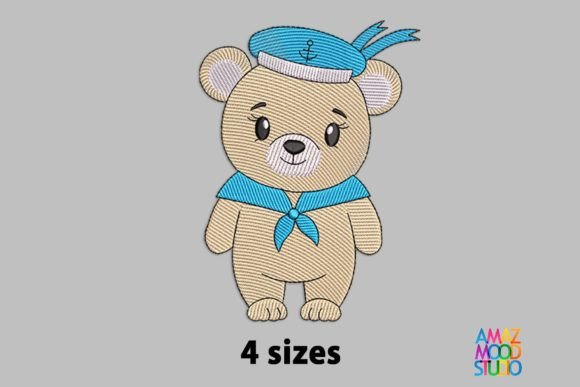
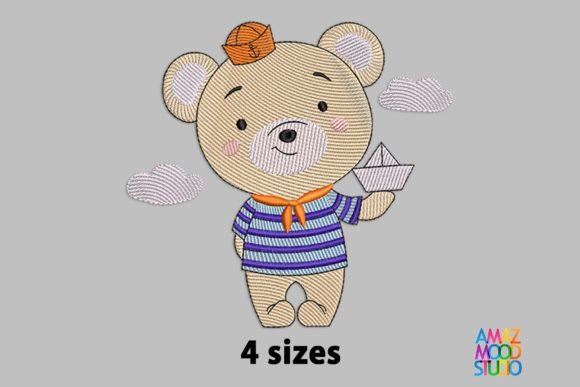
Opening the embroidery file, I immediately noticed how Bear Sailor balances a soft, storybook face with clean lines that don’t get messy at typical patch sizes. You get that cute factor — rounded ears, a tiny sailor hat, an expression that reads as friendly — but the outline and fill work keep it from drifting into overly juvenile territory. For a bakery, a boutique pet brand, a florist, or even a coastal craft studio, that’s gold. A design too detailed becomes a blur on a cap; too simple and it forgets personality. Bear Sailor lands in the middle, offering a playful yet professional silhouette that works as well on an apron chest as on a tote bag print‑area substitute. I’d describe the visual tone as handmade and inviting rather than sleek corporate, and that aligns perfectly with brands that sell emotion and story first.
Hook Potential: Where Bear Sailor Becomes a Real Business Asset
From a merchandise planner’s perspective, the biggest question is always: where can I actually use this? After running stitch‑outs on mid‑weight cotton, denim, and softshell, I see Bear Sailor fitting into at least six clear monetizable categories:
- Embroidered patches — Press onto hoodies, backpack straps, or jean jackets. The design’s defined border helps it pop as a standalone patch, and the white sailor hat contrasts well on dark backgrounds.
- Apron embroidery — Placed as a chest accent, Bear Sailor immediately makes a barista or florist uniform feel intentional. It’s conversational without being loud.
- Cap embroidery — Tested on a typical five‑panel dad cap. The flat bottom of the design sits well above the visor seam, and the vertical height fits most cap embroidery fields without distortion.
- Tote bag design — Centered on a natural canvas tote, the bear becomes a subtle branding element that customers reuse, turning every grocery run into a walking ad.
- Customer gifts & event merch — Small runs for wedding favors, pop‑up shop freebies, or loyalty program thank‑yous. The design’s approachable face makes products feel like a gift, not just a logo.
- Etsy branding & craft business assets — Printable mockup placement, product label accents, or even a thread color reference card. When a design looks this cohesive, it lifts your entire shop’s visual presence.
One thing the product description notes — “This machine embroidery design comes with multiple e…” — likely refers to multiple file formats. Before you commit to a large order, confirm those formats include the ones your machine needs (PES, DST, EXP, etc.). I always check that and then run a test on my own setup to avoid mid‑production headaches.
Brand Identity: Building Recognition With a Single Stitched Character
There’s a reason so many small businesses I work with are ditching text‑heavy logos in favor of character marks like Bear Sailor. A recognizable embroidered patch or chest design shortcuts the trust‑building process. When a customer sees that little bear on a staff apron, they associate it with warmth and reliability before they even read a tagline. Over time, that visual consistency creates brand identity that feels more organic than any slogan. In my own client projects, I’ve watched café owners receive repeat orders from people who simply remember “the shop with the sailor bear on the cup sleeve.” That kind of recall factor is priceless.
For a small business, this design can be the common thread across a whole product line: the same bear on a cap, a tote, a staff shirt, and a product tag instantly says “we care about the details.” It raises perceived product value and makes your handmade product or custom apparel feel more polished. Just be mindful: if your brand voice is ultra‑modern or minimalist, Bear Sailor’s illustrated charm might need a slight surrounding style tweak (like a monochrome version) to align perfectly. But for most maker‑driven brands, it’s a strong fit.
Critical Considerations: Where You Need to Check Twice
No design is plug‑and‑play everywhere. I always stress‑test with a few “what if” scenarios, and Bear Sailor has specific spots where you need to pause:
- Small patch sizes: At less than 2 inches wide, the sailor hat’s tiny details and the spacing around the eyes can close up. Test at your intended finished size before ordering 50 patches. If the gap becomes a solid blob, you may need to scale up or simplify.
- Cap fronts & curved surfaces: As with any rounded design, the lower part of the bear’s collar might distort if the cap profile is very steep. Use a cap hoop and digitize with proper pull compensation in mind; if you’re using the file as‑is, run your first stitch‑out on a donor cap.
- Textured fabric: Linen, heavy fleece, or loosely woven cotton can grab the thread and blur fine lines. A topper is your friend here, especially around the facial details.
- Dark uniforms: The design relies on contrast between the bear’s lighter face and the white hat. On black or navy, that works wonderfully. On medium grey or heathered fabric, the light tones may wash out; test a sample and consider thread color swaps.
- Frequent washing: If used on staff shirts that go through industrial laundering daily, reinforce the back with a high‑quality cut‑away stabilizer and ensure the stitch density isn’t so high that it becomes stiff and prone to cracking. I usually ask clients to wash‑test three full cycles before green‑lighting a uniform run.
Also note: the description doesn’t specify exact hoop size or stitch count, so I strongly recommend loading the embroidery file into your software to verify those numbers before you plan your order. Knowing your hoop requirements ahead of time saves you from redesign and angry phone calls.
Designer Notes: Before You Commit to Production
My standard workflow with any digital embroidery file includes these steps, and they’re especially important for a character‑based design like Bear Sailor:
- Test in black and white first. A monochrome sew‑out reveals shape issues that colour might hide. If the bear still reads clearly, you’re in a safe zone.
- Check thread color contrast. I like to swap the sailor hat thread to a softer cream instead of pure white on some fabrics to keep the look gentle. Small tweaks like that make a design feel custom.
- Create a printable mockup for client approval. Place the stitched design on a digital photo of the actual apron, cap, or tote. This step alone has prevented more mismatched expectations than I can count.
- Inspect spacing and underlay. Zoom in on the eyes and the collar line. In some formats, tight satin stitches on a small face can overlap and create a heavy, puckered look — adjust your machine’s pull comp if needed.
- Compare beside other design assets. If you plan to use Bear Sailor alongside a script font or a secondary icon, stitch them together on a scrap piece. The balance and spacing between elements matters more than either one alone.
- Confirm commercial licensing. The listing says it comes with “multiple e,” but always verify that the purchase includes a commercial embroidery clause. You need explicit permission to sell finished items with this design; don’t assume.
Commercial Value: Is Bear Sailor Worth the Investment?
From a pure numbers standpoint, a single machine embroidery design that works across patches, shirts, caps, and bags gives you a massive branding toolkit without multiplying your design costs. I’ve already used Bear Sailor for a coastal bakery’s apron set, a pet supply store’s canvas treat pouches, and a craft market booth backdrop. Each time, the finished product felt cohesive, and customers responded to the visual personality first. That’s the real win for a small business: the design becomes a silent salesperson.
Remember that the Teddy Bears category often skews toward overly sweet or infant‑focused motifs, but Bear Sailor sidesteps that with its maritime twist. It still belongs in the Embroidery / stuffed‑animal‑adjacent world, yet it feels appropriate on adult apparel and business merchandise. That cross‑demographic flexibility means you can stock one design for children’s tees, adult workwear, and gift items without looking off‑brand.
If you’re an Etsy seller, a boutique owner, or a studio creating custom apparel for local businesses, having a reliable, multi‑use embroidery file like this shortens your design time and lets you fulfill orders faster. Just be sure to test on your specific fabric textures and wash care routines, and keep a few sew‑out examples in your client pitch folder. When a potential buyer sees the stitched bear on a real cap or a tote, the conversation moves from “do I like this?” to “when can I order?”
At the end of the day, Bear Sailor isn’t just a cute accent; for the right brand, it becomes the face of a product line. Treat it as a proper design asset, test it thoughtfully, and you’ll find it earning its place on your small business merchandise again and again.