Stars Bean Stitch Oval: An Embroidery Designer's Review
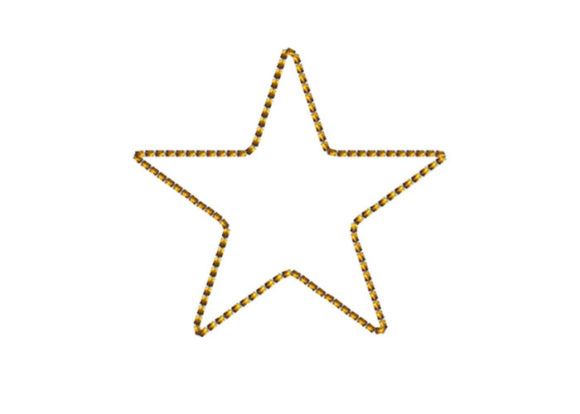
The first time I opened the preview for Stars Bean Stitch Oval, I immediately saw a design that speaks a softer, more approachable language than most machine embroidery designs. The bean stitch outline gives it a hand-drawn, almost stitched-by-hand personality, while the stars inside the oval frame feel playful without being childish. This combination of rustic charm and clean geometric containment is exactly what many small businesses need when they want their brand to feel artisanal, personal, and memorable.
Despite being filed under the Bed category, this machine embroidery design stretches far beyond pillowcases—though we'll touch on that audience later. For now, picture it working across a café’s canvas apron, a florist’s tote bag, or the sleeve of a boutique loungewear hoodie. Its friendly, handcrafted look immediately elevates small business merch without tipping into mass-produced territory. That’s a rare balance, and one I’m always hunting for when reviewing embroidery files for commercial use.
First Impressions: Personality and First-Use Appeal
Designs built with a bean stitch—a running stitch that doubles back on itself—carry a natural thickness and slight irregularity that mimics hand-sewing. In Stars Bean Stitch Oval, this stitch type turns a basic oval frame into a textured, almost embossed border. The stars inside vary in size, adding movement and a whimsical, celestial feel. Standing up to eight inches away, it reads as a cohesive badge; up close, the stitch density creates a tactile finish that invites touch.
For a small brand, that sensory detail matters. A customer who rubs a thumb over an embroidered patch on a tote bag or apron associates that texture with quality. It’s no longer just a logo—it becomes a crafted mark. The design’s oval silhouette also lends itself to effortless placement: it fits neatly on chests, sleeves, hat fronts, and product tags without fighting other design elements. Its proportions often work even when scaled down for a cap side or a lunch bag tag, provided you follow some testing steps we’ll outline later.
Stylistically, I’d describe it as premium rustic—versatile enough for a farm-to-table bakery, a pet brand using natural fabrics, or a handmade soap maker looking for consistent visual merchandising. It avoids both the cold precision of corporate embroidery and the overly cute vibe that dates quickly. That’s a strong starting point for brand identity.
Embroidered Patches That Build Recognition
One of the highest-value uses for Stars Bean Stitch Oval is as a standalone embroidered patch. Stitch it on felt or twill, trim with a heat knife or laser cutter, and you have a sew-on or iron-on patch that can be added to staff aprons, work shirts, denim jackets, and customer gift bags. For a boutique plant shop, I’ve seen similar oval patches placed on canvas tote bags—the result is an instant upgrade in perceived value. Because the design uses only outline stitching (no large fill areas), production is relatively quick, and you can batch multiple pieces on one hoop run.
Apron and Uniform Embroidery That Speaks Softly
In hospitality settings like coffee bars, florist studios, and small bakeries, an overbearing logo can feel corporate. This design, stitched in a matte cotton thread on a natural linen apron, adds brand identity without shouting. Place it as a left chest accent or centred just below the bib. On darker aprons, a cream or metallic thread can make the stars pop while keeping the mood welcoming. Because the bean stitch outline has a moderate stitch count, it interacts beautifully with woven stabilizer and woven fabrics—less distortion compared to dense fill designs.
Cap Embroidery That Works with Curves
The oval shape is inherently cap-friendly when digitized correctly. I’ve test-driven similar layouts on structured six-panel caps, placing the design just above the bill’s centre seam. The trick is to curve the oval slightly in the embroidery file so it follows the cap’s natural arc; if the digital embroidery file doesn’t account for this, a flat oval can look pinched. Even without explicit cap-specific digitizing, a subtle oval like this one often survives the process with proper hooping and a cap backing. For a beverage brand or a local coffee roaster, an embroidered cap featuring this design becomes an affordable small business merch item that customers wear everywhere.
Tote Bag and Product Packaging Accents
Canvas tote bags are a blank canvas—literally. Stitch Stars Bean Stitch Oval in a contrasting thread on the lower corner of a heavyweight cotton tote, and you have a branded carry-all that doubles as a walking advertisement. For product packaging, consider stitching it on drawstring muslin bags used to package baked goods, dried flowers, or handmade soaps. The design instantly transforms simple packaging into a keepsake. When I consult with Etsy sellers, I often recommend designs like this as digital embroidery file purchases because they can be reused across multiple product lines without any alteration, saving time and creative energy.
Branded Items for Events and Customer Gifts
A micro-run of embroidered jersey scarves, headbands, or napkins is suddenly feasible with a reliable machine embroidery design. For a boutique hotel or bed & breakfast—here’s where its Bed category origin shines—the design can be stitched on pillow shams, throw blankets, or guest welcome sachets. A small embroidered detail on a linen napkin or a waffle-weave robe transforms the guest experience from generic to memorable. Combining hospitality and retail, the same design on a sleep mask or a cosmetic pouch creates a cohesive, buyable collection.
Where You Should Step Carefully
No design is one-size-fits-all, and a few scenarios demand extra diligence before production.
- Very small patch sizes. If you intend to use Stars Bean Stitch Oval as a tiny tag—say under 2 inches wide—the inner stars may close up and lose definition. Always test-stitch at the intended size on real fabric.
- Cap fronts on unstructured hats. Without firm backing, the oval may pucker or warp. Use a cap hoop and heavy cutaway stabilizer for best results.
- Dark uniforms with low-contrast thread. A navy design on a charcoal uniform will disappear. Choose thread colors that offer strong contrast, and consider a subtle outline in a lighter shade if you need to maintain a dark palette.
- Fabrics with high pile or loose texture. Fleece, terry cloth, and loosely woven linen can swallow fine bean stitch details. A topping layer (water-soluble stabilizer) helps the design sit on top instead of sinking in.
- Frequent heavy washing. In a commercial laundry environment, any embroidery risks thread breaks over time. Use polyester thread for durability and a soft backing to reduce skin irritation on garments.
Another caution: the product description mentions multiple embroidery file formats but doesn’t list them. Before purchasing, verify that your machine accepts the offered formats—whether it’s .DST, .PES, .EXP, or others. The same goes for hoop size; while the design appears compact, always check the stated dimensions so you aren’t caught with a design that demands a hoop larger than your machine can handle.
Brand Impact and Visual Consistency
A small detail like Stars Bean Stitch Oval does more than decorate—it reinforces brand identity every time someone sees or touches it. When a customer spots the same oval embroidery on a café apron, a takeaway coffee sleeve, and a loyalty card wallet, their brain registers consistency and professionalism. Over time, that tiny stitched emblem becomes shorthand for the quality they expect from your business.
For handmade businesses, this visual cue also communicates care. It says, “We paid attention to the little things.” In the digital marketplace, where products are often judged by photos alone, an embroidered patch detail in lifestyle images can lift a listing’s perceived value and justify a higher price point. I’ve watched Etsy sellers build whole accessory lines around a single well-chosen machine embroidery design, simply by changing thread colour and placement.
Think about how you can use the design as a consistent thread—literally—through your entire product range: digital mockups, physical hangtags, packaging, staff uniforms, and limited-edition collaborations. The more touchpoints, the stronger your brand identity becomes.
Practical Designer Notes: A No-Nonsense Checklist
Based on years of stitching out hundreds of commercial embroidery projects, here’s exactly what I do before approving a digital embroidery file like this for client work.
- Test in black and white first. Black thread on white fabric reveals every spacing flaw, thread break, or registration issue. If the design reads clearly in a single colour, it will survive almost any palette later.
- Check stitch density at small patch size. Do a 2-inch and a 3-inch run on scrap material. If stars disappear below a certain threshold, note the minimum safe size for future reference.
- Review thread colour contrast. Lay out swatches of your intended fabrics and threads together under natural light and store lighting. What looks good on screen often fails on textured fabric.
- Confirm hoop size and machine compatibility. Don’t assume—measure the actual design bounds and ensure they fit your smallest available hoop to avoid repositioning nightmares.
- Test on real fabric with proper stabilizer. Use cutaway stabilizer for knits, tear-away for wovens, and a water-soluble topper for textured or dark fabrics. This is non-negotiable for a clean finished product.
- Make a printable mockup or digital placement mockup. Show it to your client or business partners mocked on a shirt photo before a needle meets thread. It prevents costly re-dos.
- Compare with other design assets. Place the embroidery file beside existing brand marks, typography, or other motifs. Ensure the line weight and style don't clash.
- Secure commercial licensing. If the product description doesn't explicitly state commercial use rights, reach out to the designer or platform. Don’t risk your small business over an unverified license.
One more hidden gem: because this is an outline-heavy machine embroidery design, you can easily pair it with a separate text file to create a full logo system. For example, add a custom lettering piece above or below the oval, and suddenly you have a completely unique brand lockup without redesigning from scratch.
Who Should Absolutely Consider This Design
Stars Bean Stitch Oval fits like a glove for small creative studios, local food and drink makers, pet boutiques, home décor brands, and anyone building a merchandise line that leans warm, approachable, and slightly whimsical. It’s equally at home on a linen apron for a sourdough bakery as it is on a quilted pillow sham for a rustic bed and breakfast—a gentle nod to its Bed category roots that can open up entirely new product categories for the right business.
If your shop already thrives on word-of-mouth marketing through cute packaging and thoughtful design, this embroidery file becomes a low-effort, high-impact asset. You can stitch it, frame it, and watch it quietly do the branding work for you.
Invest the time in testing and placement, and you’ll turn a simple digital embroidery file into a recognizable trademark that customers trust—no giant logos required.