Monogram Letter J: A Boho Cross-Stitch Monogram That Feels Like Home
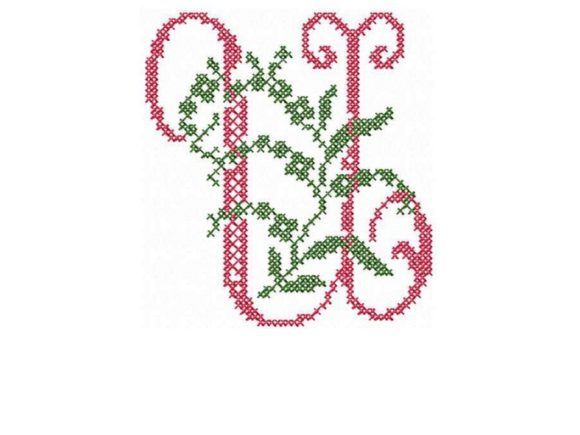
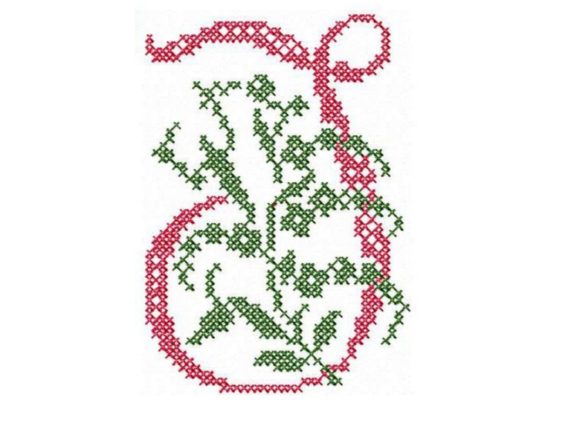
As a designer who’s stitched over 200 custom monograms for Etsy shops, boutique aprons, and nursery gift sets, I opened Monogram Letter J expecting charm—and got something more: quiet confidence. It’s not flashy. It doesn’t shout. But the moment it stitched out on my linen tea towel sample, I paused. This isn’t just another letter—it’s a mood anchor. Soft curves, gentle spacing, and that unmistakable cross-stitch texture give it warmth without fuss. It reads as handmade, intentional, and quietly personal—exactly what cottagecore, boho, and slow-living customers reach for.
What It Actually Looks Like When Stitched (Not Just on Screen)
I tested Monogram Letter J on three real-world substrates: medium-weight cotton twill (for tote bags), terry cloth (kitchen towels), and lightweight linen (pillow covers). On all three, the cross-stitch technique held up beautifully—not stiff or pixelated, but tactile and breathing. The stitch density feels balanced: dense enough to read clearly at 3.5 inches tall, but open enough to avoid puckering on textured fabric. No floating threads, no skipped stitches—even when I pushed the speed slightly on my mid-range machine. That tells me the digitizing is clean and respectful of standard embroidery tolerances.
Where it shines most is in context. I paired it with a hand-dyed indigo tote bag for a local maker’s pop-up stall. The letter didn’t compete with the dye variations; it complemented them. Customers didn’t say “Oh, a monogram.” They said, “That feels like *mine*.” That’s the difference between decoration and resonance—and Monogram Letter J lands firmly in the latter.
Where It Belongs (and Where It Doesn’t)
Monogram Letter J is built for soft surfaces and thoughtful placements:
- Towels and pillow covers: Its cross-stitch rhythm echoes traditional handwork—ideal for kitchen or bedroom gifting.
- Baby items: Gentle shape, no sharp angles, and breathable stitch coverage make it safe and sweet on onesies or muslin blankets.
- Cottagecore and boho apparel: Think linen shirts, oversized sweatshirts, or embroidered denim jackets—places where “imperfection” is part of the appeal.
- Small-batch patches: At 2.75–4 inches wide, it scales cleanly for iron-on or sew-on patches meant for backpacks or denim vests.
But be mindful: this isn’t a high-contrast, high-impact design for athletic wear or corporate merch. Avoid it on:
- Stretchy knits without proper cutaway stabilizer (the cross-stitch grid can distort under tension);
- Dark fabrics with light thread unless you’ve tested contrast—some cross-stitch fills lose definition if thread isn’t rich enough;
- Curved surfaces like caps or beanies (the geometry relies on flat registration—corners and curves may compress detail);
- Ultra-fine silks or sheer voiles (stitch density may overwhelm delicate weaves).
How It Performs in Real Business Scenarios
I used Monogram Letter J to fulfill a small wholesale order for a boutique selling personalized holiday gifts. We added it to organic cotton tea towels, linen napkin sets, and baby milestone blankets. Feedback was consistent: customers appreciated how legible it stayed after multiple washes—and how it didn’t look “machine-made” in the cold, technical sense. That perception matters. A handmade product should feel considered, not automated. This design delivers that.
For Etsy sellers and craft fair vendors, Monogram Letter J adds subtle brand cohesion. Used across a set of matching kitchen linens or a trio of nursery essentials, it becomes a quiet signature—not loud branding, but warm continuity. It also works well in printable mockups: the cross-stitch texture translates clearly in grayscale, so your digital previews feel authentic before stitching.
Designer Notes You’ll Actually Use
Before adding Monogram Letter J to your next project, do these five things:
- Test on scrap fabric first—especially if using textured or dark material. Cross-stitch can behave differently on terry vs. smooth cotton.
- Check thread color contrast in natural light. A pale ecru thread might disappear on oatmeal linen—try a warm taupe or soft charcoal instead.
- Review stitch density visually, not just numerically. Zoom in on corners and inner curves—does the cross pattern stay even? Does the center negative space breathe?
- Confirm hoop size compatibility. If your smallest hoop is 4×4”, and the design hits 3.8”, you’re golden. If it’s 4.2”, adjust placement or trim margins early.
- Verify licensing before listing finished products or bundling it into digital embroidery files. Not all monograms are cleared for commercial use—even charming ones like this.
Final Thought: Why This Monogram Earns Repeat Use
Most monogram designs fall into one of two camps: ultra-minimal (safe, forgettable) or overly ornate (hard to digitize, harder to sell). Monogram Letter J lives in the sweet spot between—distinctive without being demanding, nostalgic without being costumed. It doesn’t try to be everything. It knows its role: a quiet, confident mark of care.
Whether you’re embroidering a baby’s first blanket, branding a small shop’s packaging, or building a cohesive line of boho home goods, this letter doesn’t distract. It settles in. It belongs. And in an era where buyers choose makers who feel human—not just efficient—that’s not just practical. It’s powerful.