Monogram Letter S: A Boho Embroidery Staple
First Impression: Soft, Whimsical, and Instantly Recognizable
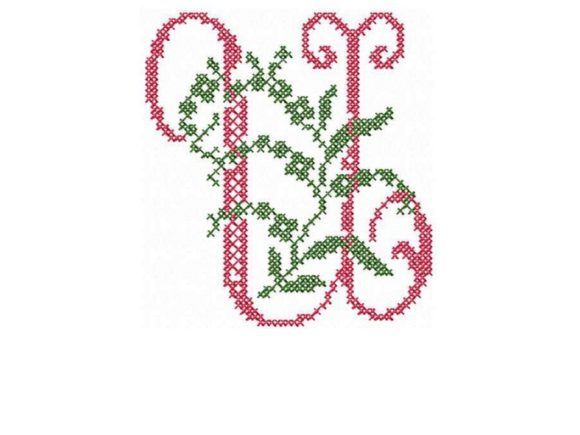
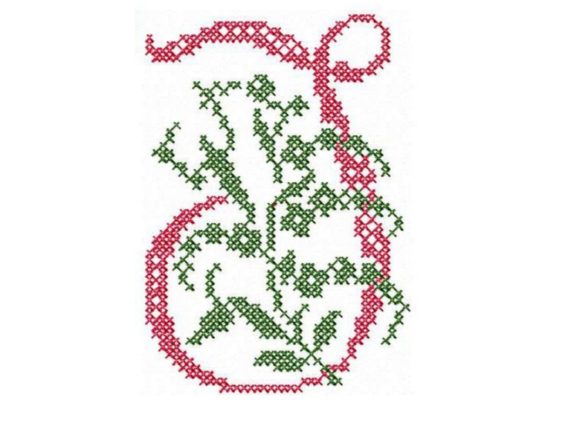
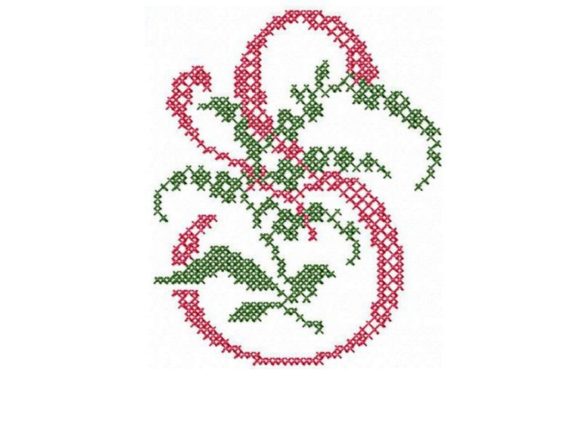
As an embroidery designer who’s prepped over 200 craft fair booths—from Portland pop-ups to Nashville farmhouse markets—I’ll tell you straight: Monogram Letter S lands with quiet confidence. It’s not loud or flashy—but it doesn’t need to be. The cross-stitch technique gives it that hand-finished, cottagecore warmth customers reach for when they want authenticity, not automation. It reads as soft, slightly rustic, and gently modern—ideal for boho shoppers who love texture, story, and subtle personalization. No sharp edges, no aggressive scale—it breathes like linen on a summer porch.
Where Monogram Letter S Shines on Craft Fair Products
In my booth setup, I always test new designs across five high-visibility items: tea towels, tote bags, pillow covers, embroidered patches, and aprons. Here’s how Monogram Letter S performed:
- Tea towel embroidery: A standout. The cross-stitch texture catches light beautifully against woven cotton or linen blends—especially in natural or oatmeal tones. Customers paused longer here than at any other towel display.
- Tote bag design: Works best centered low on the front panel (not top-center), where the letter feels grounded—not floating. Paired with neutral canvas or unbleached cotton, it reads as intentional, not generic.
- Pillow covers: At 4–5 inches tall, Monogram Letter S balances perfectly on standard 18" square covers. It adds personality without overwhelming—key for buyers mixing patterns in boho interiors.
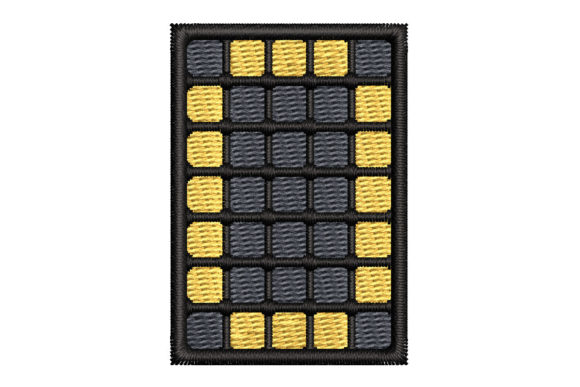
- Embroidered patch: Excellent candidate for iron-on or sew-on versions. Its clean outline and moderate stitch density hold up well when cut and finished—no fraying corners or thread nests.
- Apron embroidery: Ideal above the pocket or subtly along the waistband. Not too big, not too small—just enough to feel handmade, not mass-produced.
What Makes It Sell—And What Requires Caution
Monogram Letter S sells because it’s instantly legible, emotionally resonant, and versatile. At a glance, shoppers recognize it as both *personal* (monogram) and *crafted* (cross-stitch). That duality builds trust fast in crowded craft fair aisles.
But here’s where attention matters:
- Stitch density: Cross-stitch is forgiving—but dense areas can pucker on lightweight fabrics. Always test on scrap before committing to a full run of pouches or market bags.
- Fabric texture: Works beautifully on terry cloth towels—but avoid ultra-thick or highly napped surfaces unless you adjust stabilizer layers. A medium-weight cutaway + tear-away combo usually wins.
- Curved surfaces: On caps or curved pouches, the letter may distort slightly if hooping isn’t precise. Use adhesive stabilizer and minimal stretch fabric for clean results.
- Dark fabric: Cross-stitch relies on contrast. For black or navy backgrounds, choose bright ecru, mustard, or sage thread colors—not white or pale gray.
- Small sizes: Below 3 inches tall, fine cross-stitch details blur. Stick to ≥3.5" for clear definition on patches or baby bibs.
Photography, Listings, and Digital Appeal
This is where Monogram Letter S earns its keep for Etsy sellers and digital designers. It photographs cleanly—even on phone cameras—with strong tonal contrast and zero visual noise. No gradients, no overlapping elements—just one confident, stylized letter. That means faster mockup creation, better thumbnail recognition in search, and higher click-through on listings labeled “cottagecore embroidery” or “boho monogram.”
I recommend pairing it with printable mockups showing three real-world contexts: a folded tea towel on a wooden shelf, a linen tote leaning against a ceramic mug, and a patch pinned to a denim jacket. These visuals communicate use-case instantly—critical for time-pressed online shoppers.
Production Practicality for Small Shop Owners
Batch production? Yes—Monogram Letter S is repeatable. Its balanced proportions, consistent line weight, and absence of tiny interior cutouts mean fewer thread breaks and less re-hooping. It’s also intuitive for new machine operators: no tricky jump stitches, no nested fills, no color changes mid-design.
That said—don’t skip the prep work. Before your first craft fair run:
- Test the embroidery file on at least two fabric types you plan to sell.
- Check thread contrast on every base color you’ll offer—especially cream, charcoal, and olive.
- Confirm hoop size compatibility with your machine model; some cross-stitch files require larger hoops for optimal tension.
- Inspect stitch density visually—does it look airy or heavy on your test swatch?
- Use the right stabilizer: medium cutaway for towels, lightweight tear-away for linens, fusible for patches.
- Create at least one finished product mockup—not just digital, but stitched, pressed, and styled.
- Verify commercial licensing terms before selling finished products. If unclear, contact the designer directly.
Booth Impact and Buyer Engagement
In person, Monogram Letter S draws quiet curiosity—not shouts for attention. That’s a strength. Shoppers who pause to trace the cross-stitch with their fingers are already mentally pricing it into their gift budget. It pairs effortlessly with other boho staples: dried lavender bundles, clay coasters, hand-dyed ribbons.
On my booth table, I placed three Monogram Letter S items side-by-side: a tea towel, a linen pouch, and a mini pillow cover—all in matching thread color but different base fabrics. That visual rhythm created cohesion without monotony. Buyers commented on “how handmade it felt,” even though it was machine-embroidered. That’s the magic of thoughtful technique meeting intentional design.
For handmade product branding, this design supports consistency without rigidity. Whether you’re an Etsy seller building a cottagecore shop or a boutique maker curating local gifts, Monogram Letter S reinforces quality, care, and craft—without needing a logo or tagline.
Final Designer Note
Don’t treat Monogram Letter S as just another embroidery file. Treat it as a conversation starter—a tactile signature that says, *“This was made for you, not just by you.”* It’s proof that simplicity, when rooted in technique and intention, becomes memorable. Test it. Style it. Stitch it thoughtfully—and watch it become a quiet bestseller in your next craft fair lineup.